There’s something about walking into a bamboo forest that’s already humming with bad omens. The moment I slid past that peasant storyteller in 2026’s definitive playthrough of Ghost of Tsushima, I felt like I’d stepped into a living ink painting where the brushstrokes were still wet with dread. The quest “Whispers in the Woods” isn’t just another Mongol-slaying errand—it’s a slow burn through a thicket of folk horror that clings to you like morning dew. I went in expecting a routine investigation, but I came out with a charm and a lingering question about what justice even means on Tsushima.
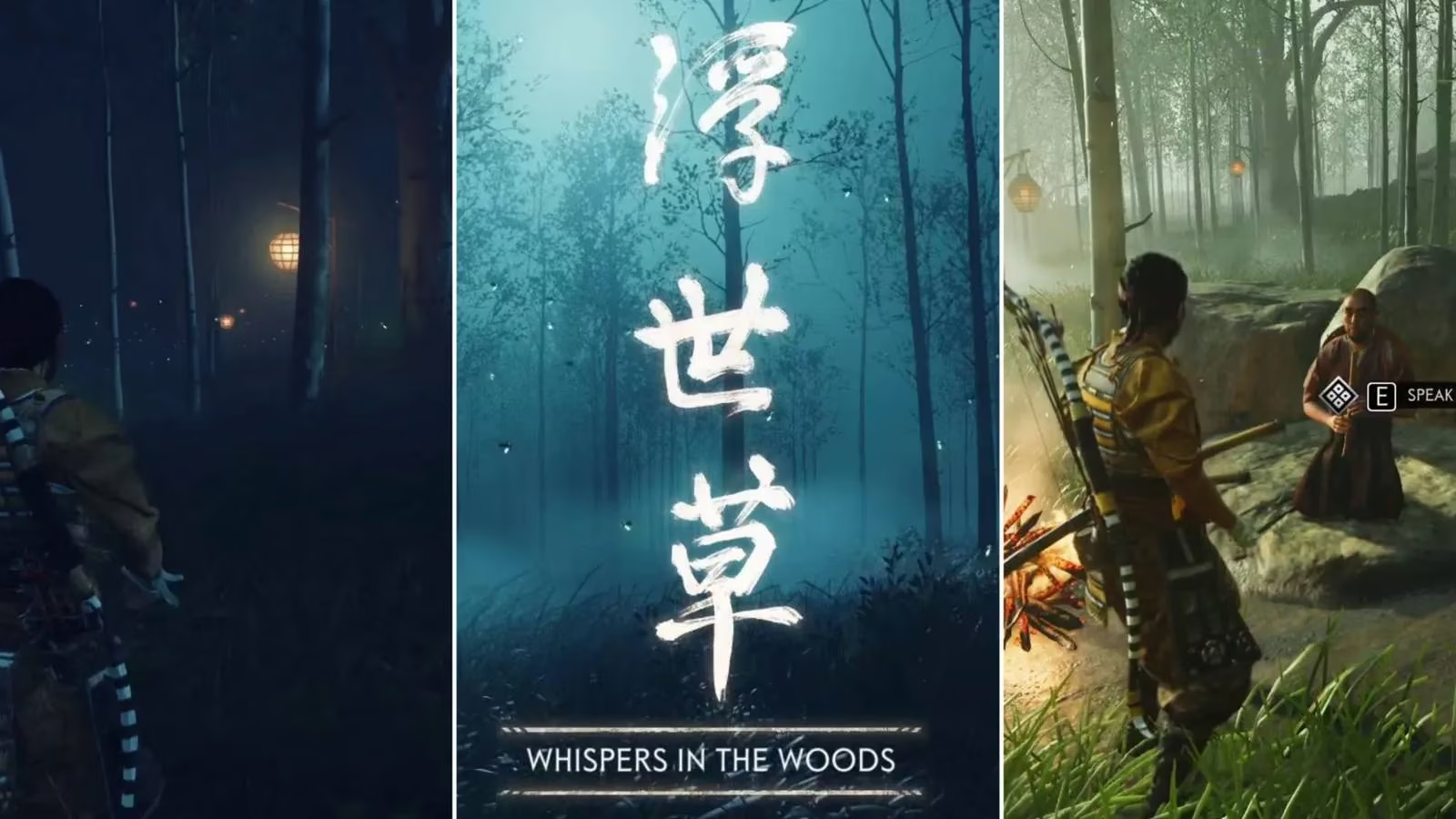
I found the quest by pure accident, overhearing a rumor while restocking at the Golden Temple. The map marked a Peasant storyteller huddled right outside a bamboo forest, and even without the marker, his hunched silhouette would have drawn me in. He spoke of a haunted grove with thieves and ghosts, and I, playing Jin as the ever-curious samurai, couldn’t resist. The forest itself was already sending signals—yellow paper lanterns dangling from bamboo like a breadcrumb trail left by some mischievous forest spirit. Following that path felt like being led by a thread in a labyrinth; I half expected the lanterns to rearrange themselves behind me.
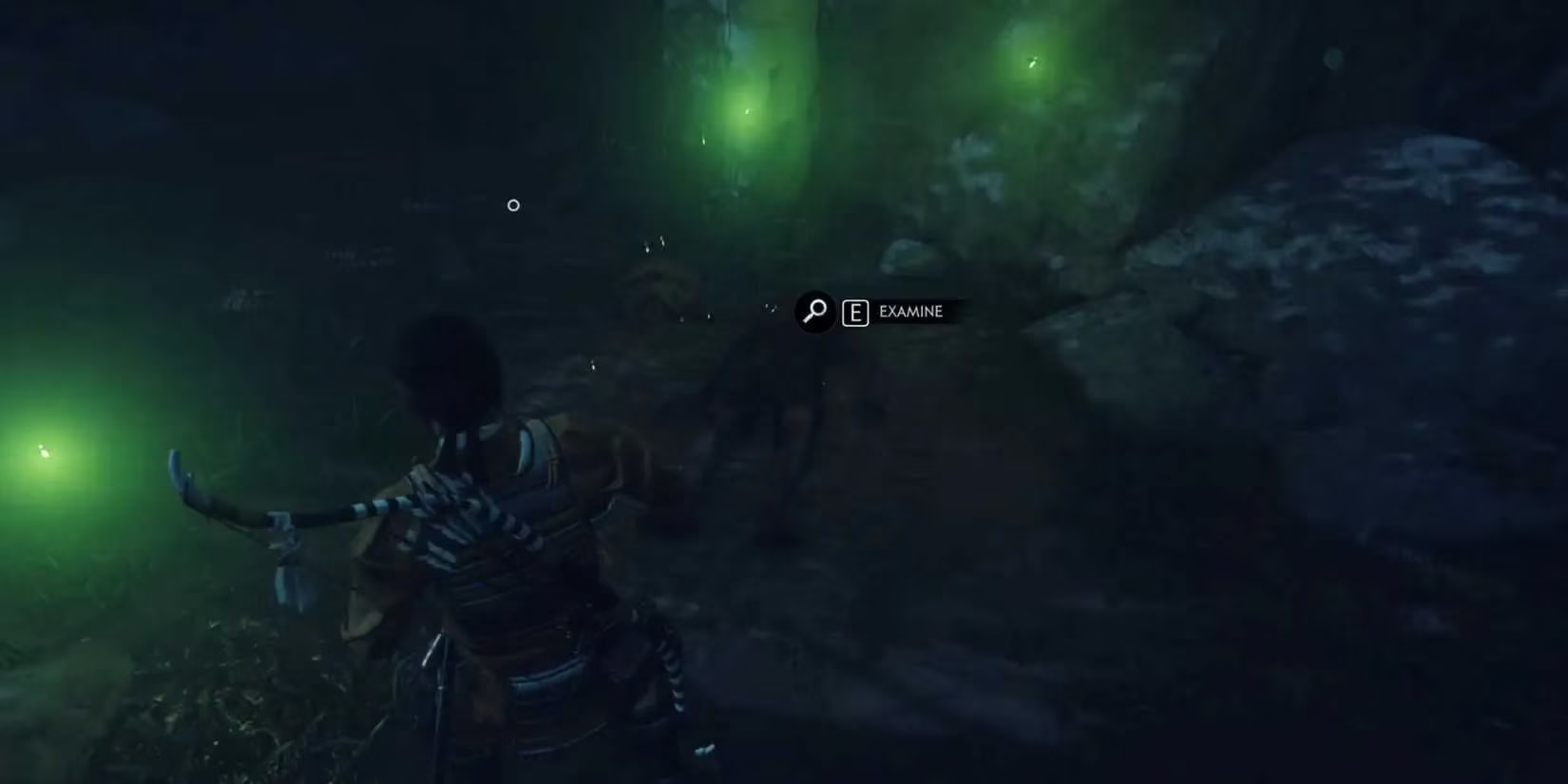
The first landmark is a sagging abandoned house that looms out of the mist like a forgotten memory. Inside, I played detective: three scrolls scattered like fallen leaves—one right by the busted door, another nestled by the cold fireplace, and the third waiting beside the back exit. Reading them stitched together a narrative of fear and violence that the Mongols had merely amplified. I could almost hear the whispers the quest name promised. Leaving the house didn’t lift the weight; the lanterns pulled me deeper until I found a corpse behind a massive rock, still and pale as a wax figure. Searching the tatami mat nearby triggered something I didn’t expect—a snarling dog burst from the shadows, all teeth and fury. It was over quickly, but that moment jolted me because it felt like the forest itself was testing me. Afterward, I honored an Inari shrine there, turning a violent encounter into a small moment of peace.
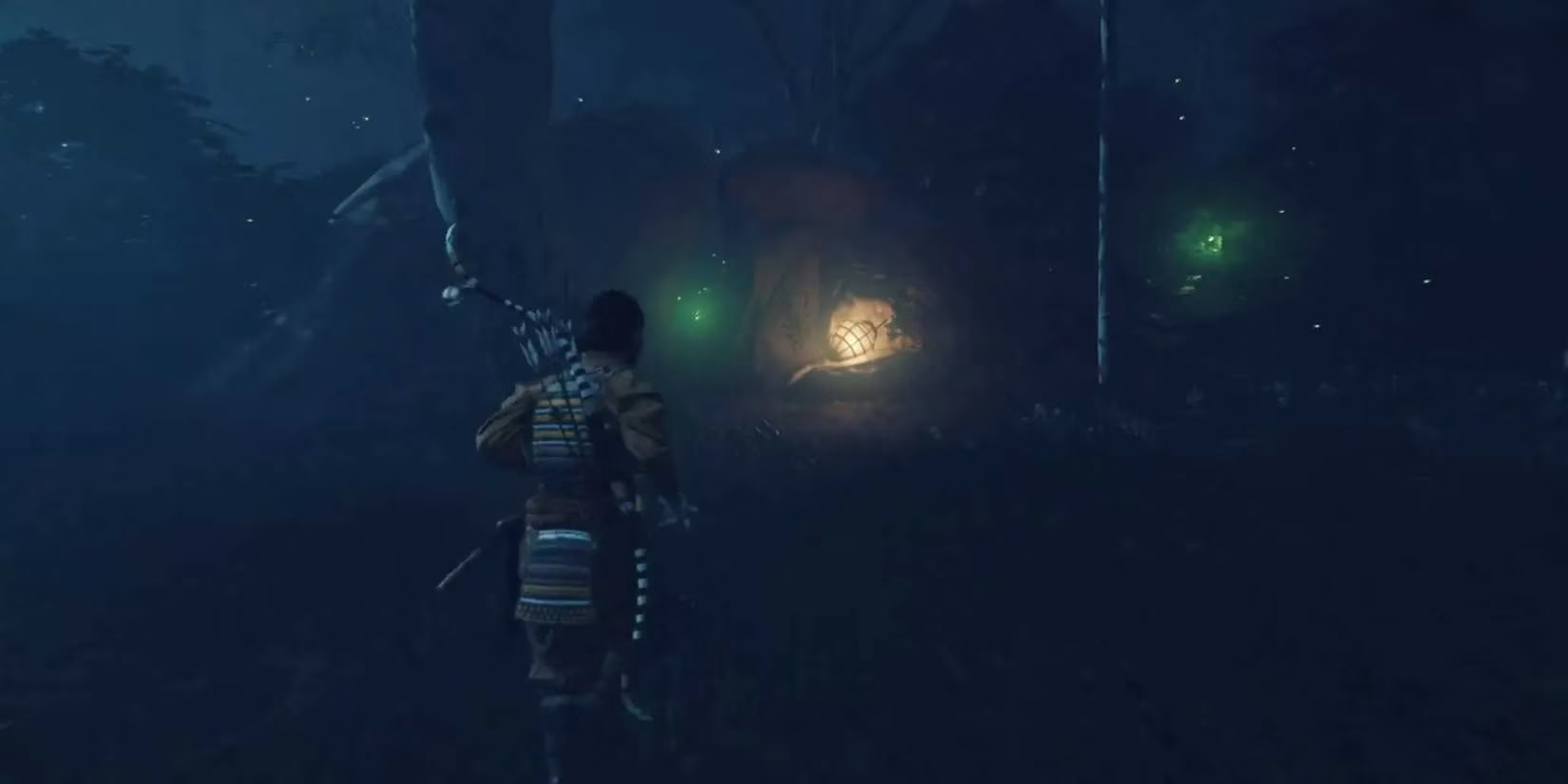
Beyond the corpse, a lone lantern flickered beside a crack in the stone. I had to squeeze through that narrow gap, and suddenly I was somewhere even remoter—the kind of place where the canopy chokes out the sky. A small campfire glowed ahead, its warmth completely at odds with the macabre scene around it. Investigating that campsite unearthed another corpse and a set of footprints that I followed like a detective trailing a phantom. The dirt path was lined with bodies hanging from bamboo poles, a grim gallery that turned my stomach but also sharpened my focus. This wasn’t just a haunted forest; it was a killing ground that the bandits had adopted as their own.
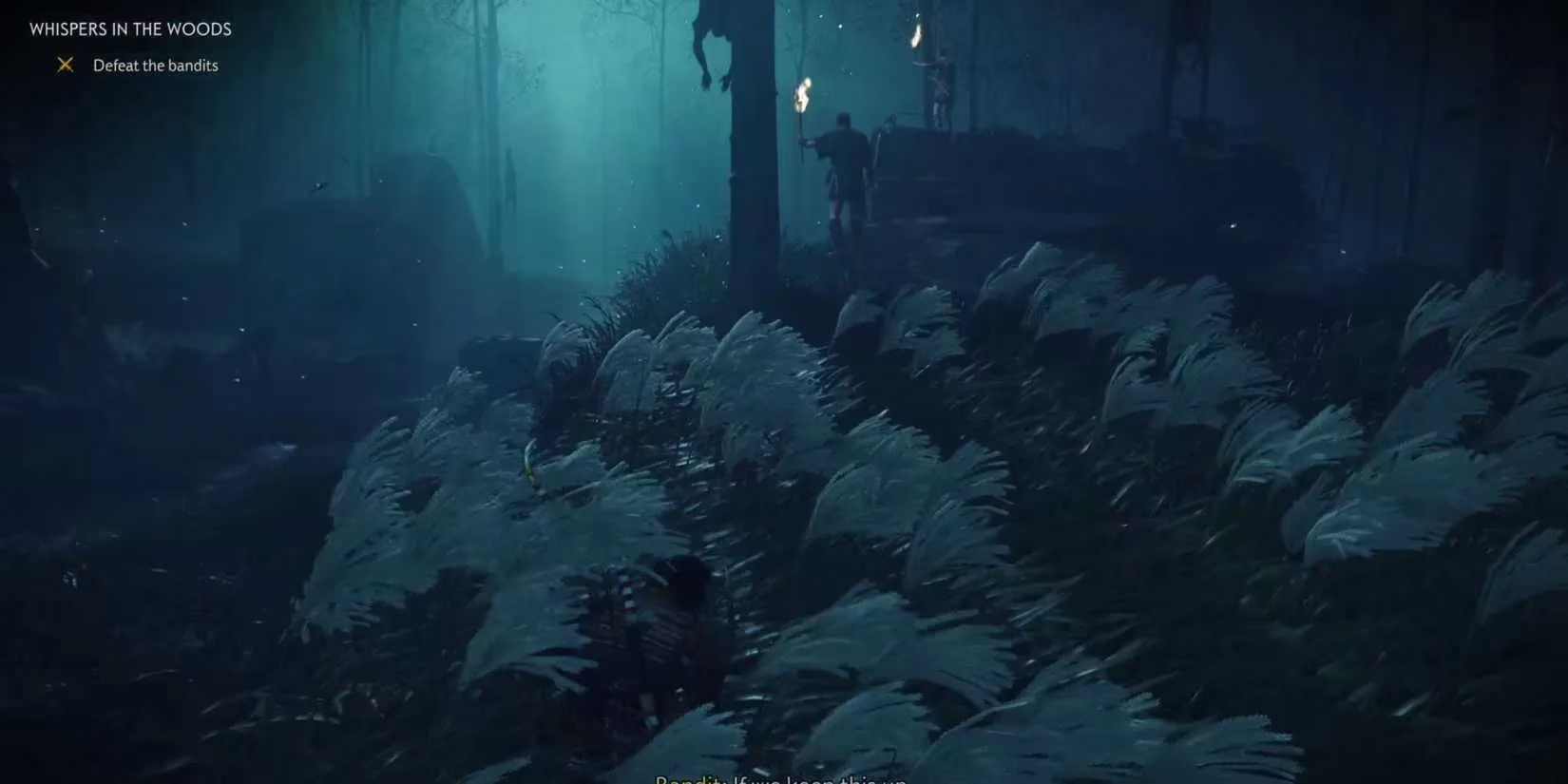
The path terminated at another campsite, and there they were—a pack of bandits who probably thought the woods belonged to them. I could have ghosted them one by one from the bamboo shadows, but I chose a Standoff for the sheer drama of it. Steel clashed, bodies dropped, and soon only one bandit remained, trembling in the mud. That’s when the game did something unusual: it paused the action and handed me a choice. “Decide the Bandit’s Fate.” I could let him flee to spread the tale of a vengeful samurai stalking the mist, or I could end him as punishment. I stared at the screen for a long moment, feeling like a juror in a court where the verdict didn’t actually matter—both options led to the same outcome. Letting him go felt like planting a seed of terror that might keep others away, but killing him felt like closing the book precisely where it should end. In the end I chose to spare him, not out of mercy but because a living legend is sometimes a sharper sword than a dead body.
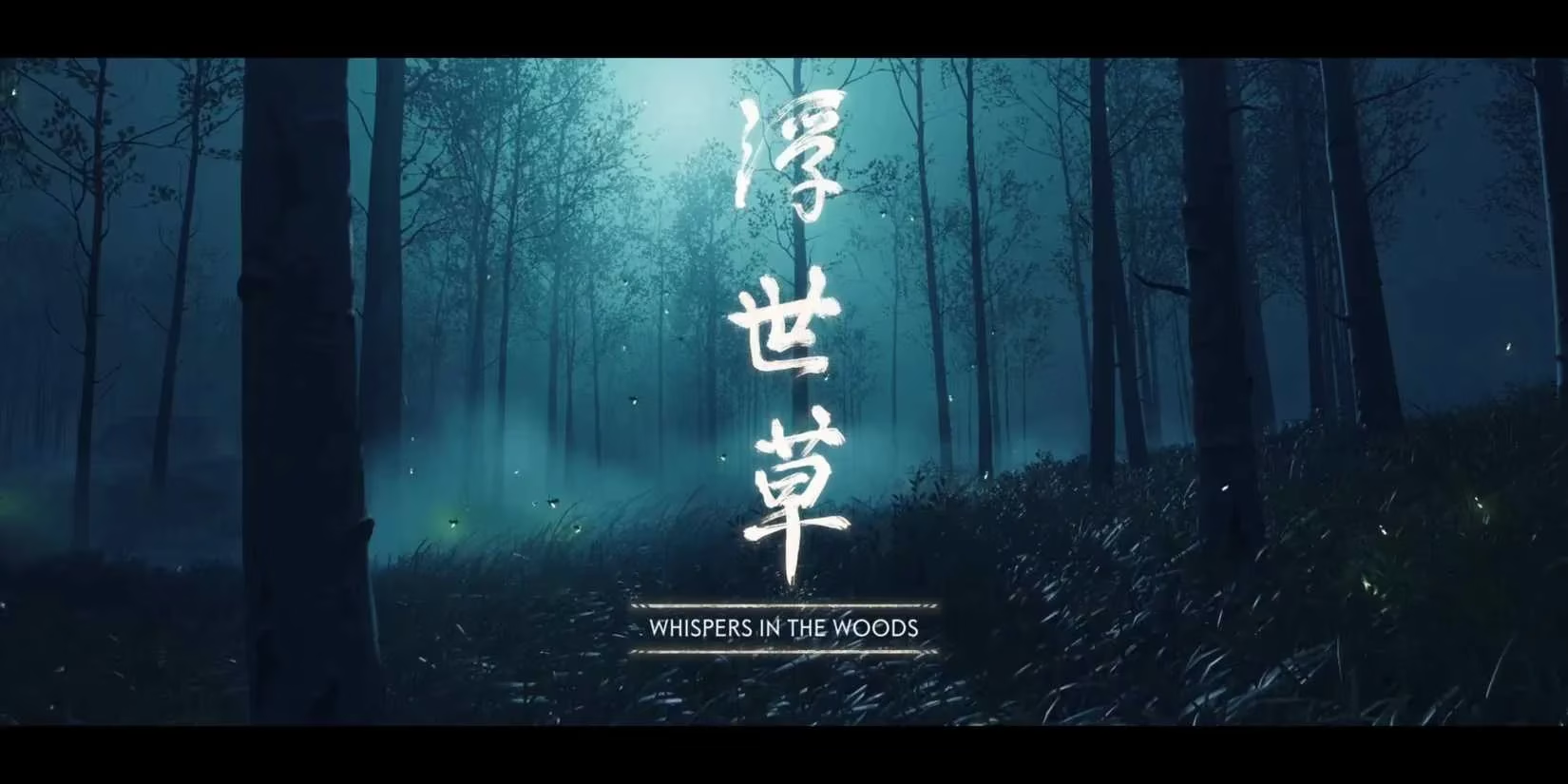
Returning to the forest’s edge, I found the peasant storyteller again. He looked at me like I’d walked out of the fog carrying the weight of all those hanged bodies. Completing the quest gave me a Minor Legend Increase and the Charm of Dual Destruction I—an offense charm that grants a 5% chance of dealing double damage, plus four leather. Honestly, the charm felt almost metaphorical: a double-edged reward for a task that was itself about duality—mercy and vengeance, horror and justice. The forest was clear now, but I knew those whispers would echo in my mind every time I passed a lantern-lit path. Whispers in the Woods is exactly the kind of side quest that makes Ghost of Tsushima feel less like a game and more like a collection of folk tales you’re destined to live through. I came for the charm, but I stayed for the atmosphere, and that’s a trade I’d make again any day.