In 2026, the conversation around Chad Stahelski’s Ghost of Tsushima film had become a familiar Hollywood parable. A celebrated director, a beloved game, and a studio eager to turn an interactive epic into a two-hour spectacle. Stahelski knew the material intimately: Jin Sakai’s journey across Tsushima was drenched in the language of Akira Kurosawa, from the wind-swept grass to the solemn duels. Yet the question that haunted the project was not whether the film could look beautiful. It was whether, once the controller was taken out of the audience’s hands, anything remained that Kurosawa had not already done better.
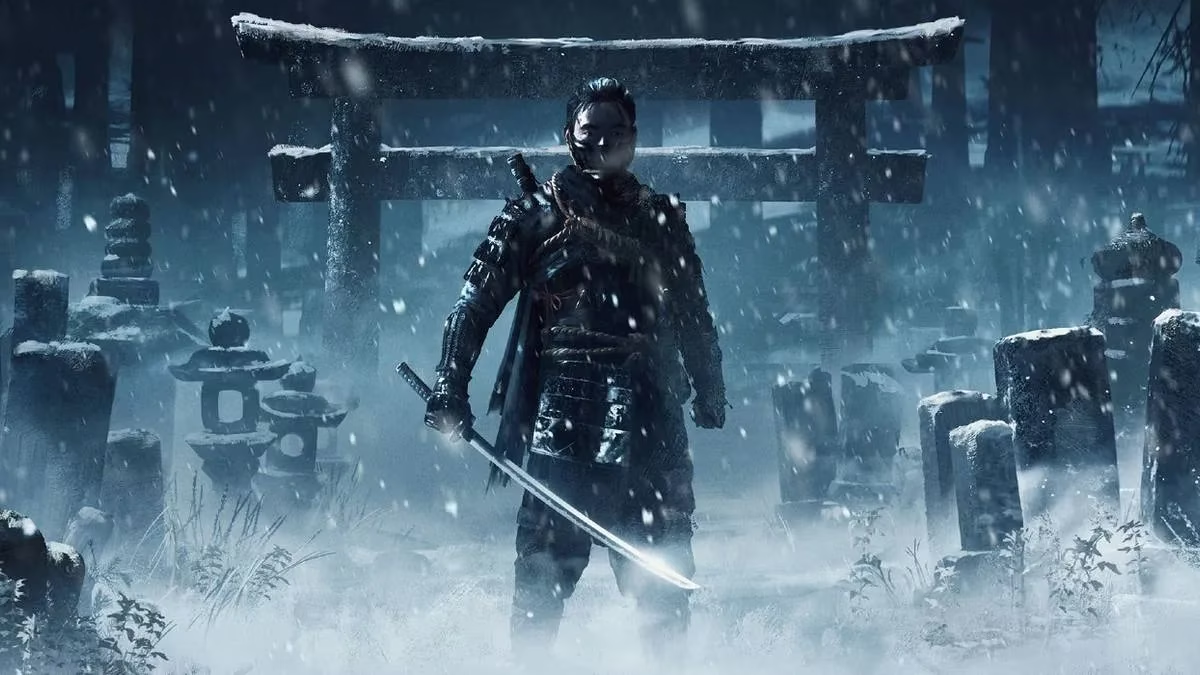
Video game movies are only just escaping decades of stigma that marked them for death the instant they were announced. The cultural imagination has not quite come full circle, and a savvy viewer can still find the key element that turns many game adaptations into bad ideas. Ghost of Tsushima is heading for the big screen with John Wick director Chad Stahelski at the helm. On paper, that sounds promising: the game has a strong story, a clear visual identity, and a director who understands choreographed violence. But the long history of failed adaptations tells a more cautionary tale.
A Game Built from Movies
Ghost of Tsushima made no secret of its inspirations. Its presentation, storytelling, and general vibe were heavily inspired by the legendary filmography of Akira Kurosawa. Films such as Seven Samurai, Throne of Blood, and The Hidden Fortress are fundamental building blocks of how the world sees samurai. Almost any modern samurai story takes notes from Kurosawa, but Ghost of Tsushima’s allusions run deeper than skin.
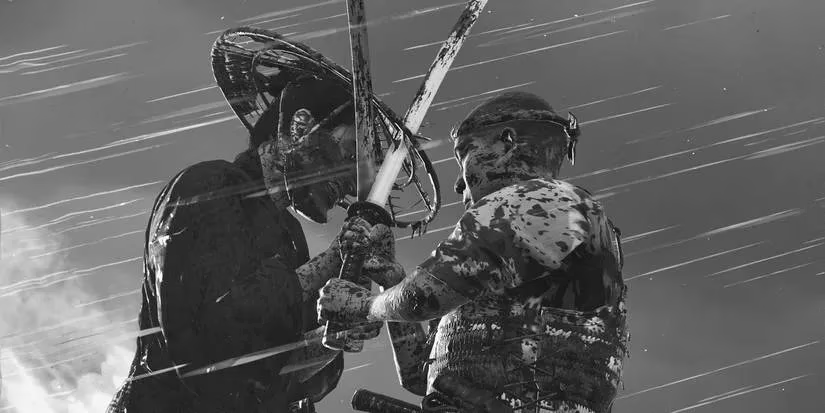
The narrative follows many of the director’s favorite themes, including the era’s honor culture and the cyclical nature of violence. The game’s world features a dynamic weather system that delicately recreates Kurosawa’s beloved natural scenes. Most obviously, the menu includes a mode called Kurosawa Mode, which applies a black-and-white filter and makes the action look like a playable version of Yojimbo. That is all great. People love playable versions of their favorite films. But when the gameplay aspect is removed, what is left?
Ghost of Tsushima without gameplay is nothing but a poor imitation of films that have already been made better elsewhere. Tons of movies are inspired by other movies, of course. But the novelty that spices up games like Ghost of Tsushima is the very element being removed by bringing it back to the big screen. The tale of Jin Sakai is a great example of this issue, but it is miles away from the only one.
The Uncharted Lesson
The 2022 film adaptation of Uncharted learned the same lesson the hard way. The game was visibly inspired by the adventures of Indiana Jones and The Mummy trilogy. When the studio took the intense shooting, driving, and climbing out of players’ hands, all that remained was a cheap imitation. Critics lined up to compare Uncharted unfavorably to Raiders of the Lost Ark or The Last Crusade, and for good reason. The film was not terrible because it lacked talent. It was trapped by its own source material’s debt to older, stronger cinema.
There are many games that sell themselves as playable versions of fan-favorite films. Some are more obvious than others. No one tried to make a movie about A Way Out, because they would have simply been making a lesser Shawshank Redemption. Lara Croft’s adventures take inspiration from Indiana Jones and the classic adventure serials that inspired it, so the film comes across as a lesser Temple of Doom. The Resident Evil series borrows a lot from George A. Romero’s zombie films, but changes in the adaptations only make things worse.
| Game | Cinematic inspiration | Adaptation risk |
|---|---|---|
| Ghost of Tsushima | Kurosawa jidaigeki | Becomes a lesser Kurosawa film |
| Uncharted | Indiana Jones, The Mummy | Becomes a lesser adventure |
| A Way Out | The Shawshank Redemption | No film attempted; would be a lesser prison drama |
| Tomb Raider | Indiana Jones, adventure serials | Comes across as a lesser Temple of Doom |
| Resident Evil | Romero zombie films | Changes often worsen the result |
| Need for Speed | The Fast and the Furious, in reverse | Tainted by a later, louder franchise |
It can even work in reverse. The Need for Speed franchise started seven years before The Fast and the Furious, yet when the film came out, it had been so tainted by the Vin Diesel vehicle that it became a lesser version of a story it had arguably helped inspire. The problem is common and extremely predictable. Translation does not work both ways. Creators have proven a hundred times that attaching controllers to a film makes something special, but removing them from a game just ruins the fun.
The Exceptions That Escape the Trap
A few video game movies completely evade this problem, largely by being interesting enough concepts on their own that filmmakers cannot simply fall back on established films. Sonic the Hedgehog is fundamentally a video game story. Adapting it into a film took extra forethought because there is no classic film about an alien mammal that runs extremely fast to rip off. Jeff Fowler and company had to improvise, and the result connected with audiences.
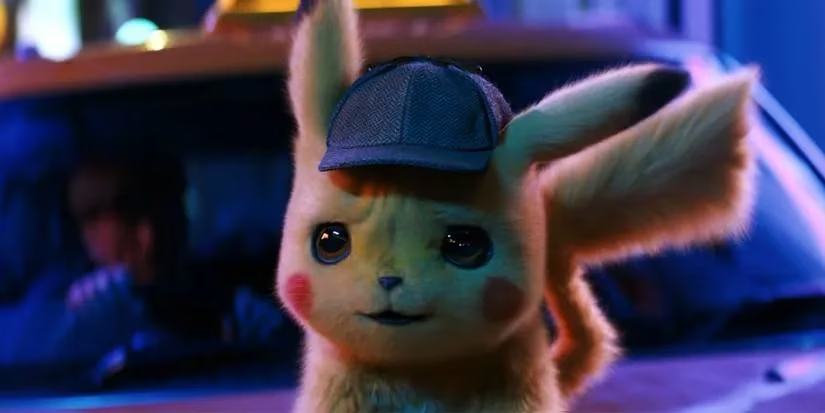
Detective Pikachu took inspiration from classic noir detective features, but it did so in a beautiful, living, breathing world based on a beloved franchise. The games being adapted were unique and interesting enough that they demanded a strange and interesting vision. That should serve as a lesson to studios choosing what gets a big-screen adaptation next.
Ghost of Tsushima could turn out to be an incredible film. But it either will not be much of an adaptation, or it will not be very original. It could be a great modern answer to Kurosawa’s classics; Star Wars has been taking cues from the director for over fifty years. Yet even if such films are occasionally good, they will not beat the films that inspire them. The film adaptation of a game based on a movie is not worth making, but that will not stop them from coming out.
By 2026, the industry has plenty of evidence. 🎮 Games that borrow their souls from cinema often lose their magic when the interactivity disappears. 🎬 Films that succeed, like Sonic and Detective Pikachu, tend to offer something no older movie already owns. And 🏯 Ghost of Tsushima, for all its beauty and reverence, may be walking toward the same trap: a playable Kurosawa homage that becomes a lesser Kurosawa film the moment the player lets go of the controller.