In 2026, Ghost of Tsushima still has one of the most photogenic open worlds in gaming: wind-swept pampas grass, golden temples, and sunsets that look like they were color-graded by a poet with a sword fetish. Unfortunately, the game also has a cast that sometimes feels like a collection of beautifully rendered cardboard cutouts. The mega-popular open-world action-adventure from Sucker Punch can make players gasp at a duel and then sigh at the fifth circular conversation. The Mongols may be invaders, but the real menace is characterization that refuses to show up for work.
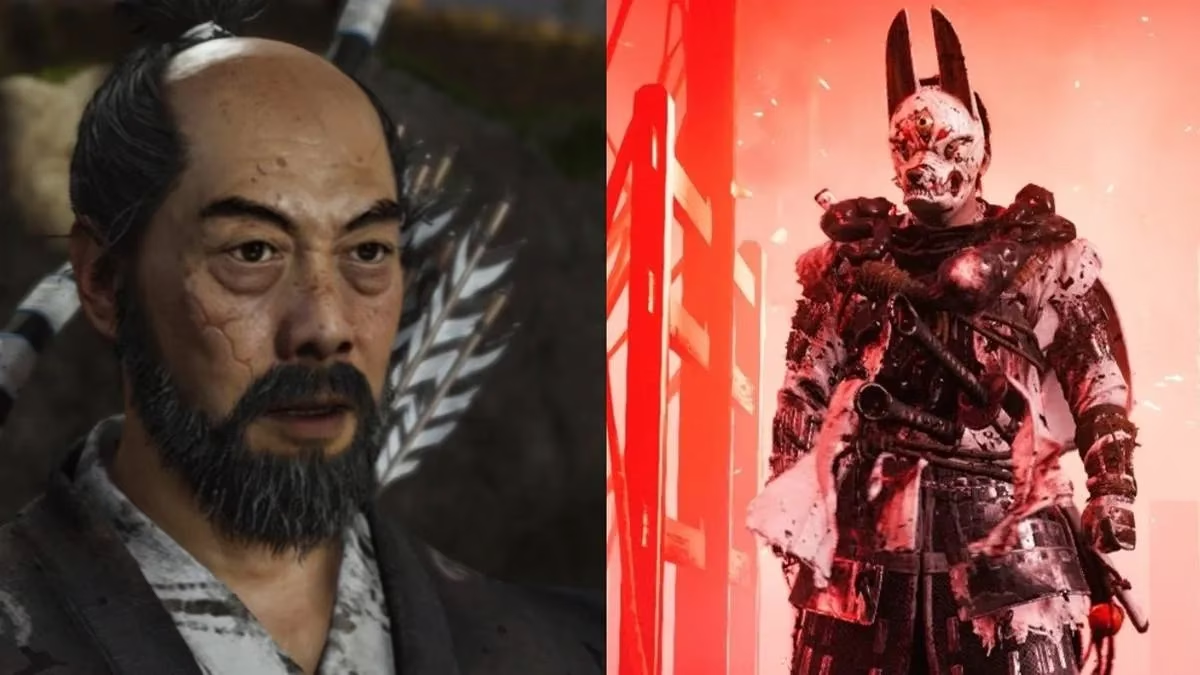
To be fair, not every character is a wet noodle. Yuna, Kenji, Yuriko, and Norio have strong plotlines and heroic arcs. But the weak links are loud enough to make the whole chain rattle. What follows is a 2026 retrospective on the characters who waste their screen time, their potential, and occasionally an entire boss fight.
Shimura: The Human Speed Bump 🚧
Jin's sage mentor clings to the samurai code like a man clutching a broken umbrella in a typhoon. Shimura cannot sympathize with outside perspectives, including Jin's, and his obstinance prevents him from having a significant impact. He is too stuck in his ways to embrace stealth missions or advance Jin's strategic plan. Rather than helping Jin as a protective father figure, Shimura leads a band of samurai to their own death. When Jin infiltrates the camp to avenge the Mongols, Shimura becomes nonsensically irate and all but disavows him. In 2026, players still wonder how a mentor can be both a father figure and a traffic cone.
Khotun Khan: Villain by Numbers 🦹
As the chief villain, a hard boss, and the ruthless grandson of Genghis Khan, Khotun Khan should be terrifying. Instead, he is a stock villainous caricature who adds nothing but an evil scowl and dirty fighting methods. Despite pulling all the strings to make Jin's existence a living hell, Khan hardly lives up to his namesake. Worse, after Khotun's death, many of his forces remain in Tsushima to fight Jin and his allies, meaning his command hardly made a difference whether he was dead or alive. A final boss whose absence changes nothing is less a menace and more a scheduling conflict.
Lady Masako: Revenge on Repeat 🔁
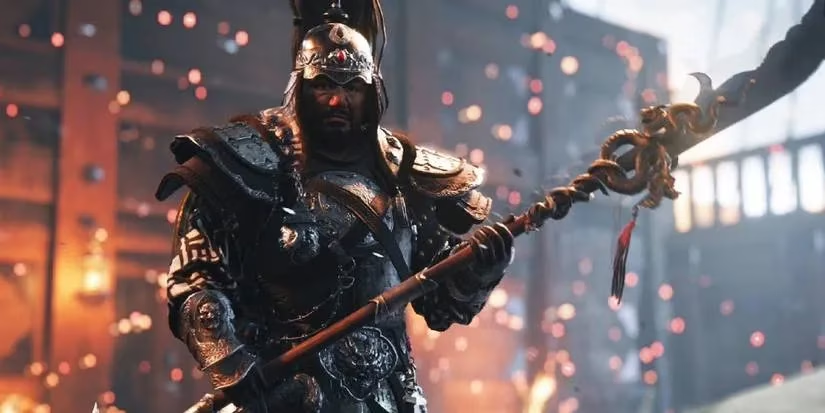
For as substantial a role as Lady Masako plays, her ultimate character arc leaves a lot to be desired. She is guided by blind rage and hell-bent on avenging her slain family, yet her storylines cover the same territory over and over again in the most tediously repetitive manner. Her one-dimensional arc consists of killing several people and requiring Jin to simply assuage her rage. Most characters are too afraid to interact with Masako, which limits her activity, and she even tries to duel with Jin after he helps her repeatedly. For such a major character, Masako could have done a lot more. Her revenge loop has fewer twists than a pretzel left in the rain.
Ishikawa: The Sensei Who Needs a Sensei 🏹
After beginning with a fairly compelling storyline, Ishikawa's importance to the game fizzles out after a while. Much of his time is spent trying to kill his pupil, Tomoe, although he is the one responsible for her betrayal. When Jin finally confronts Ishikawa, most of his dialogue goes in circles to nowhere as he tries to convince the protagonist to leave Tomoe unharmed, which makes very little sense. Ishikawa's constant need to be saved also betrays his title as sensei, making his so-called combat prowess completely ineffective. In 2026, players still wait for a lesson that is not simply a request for rescue.
Ryuzo: Betrayal Without a Punchline 🎭
Ryuzo is one major character revelation that comes out of nowhere, and his betrayal of Jin ultimately leads to nowhere. Jin's longtime childhood friend and member of the Straw Hat ronin goes full Benedict Arnold, setting up a deadly duel that players look forward to with great alacrity. Alas, Ryuzo's wasted inaction comes down to simply realizing Jin is a better swordsman. Rather than take him on in a fight to the death, Ryuzo comes up with a lame alternative plan to thwart his sworn enemy. A betrayal that fizzles is like a fireworks show that only produces smoke.
The Assassin Class: Diet Samurai 🥷
In the Legends mode, warriors are divided into classes of increased strength that include Samurai, Ronin, Hunter, and Assassin. However, despite having the highest stealth attack damage in the game, Assassins are utterly feckless fighters who can be brought down in two hits even with fortified armor builds. An entire Reddit thread has been devoted to besmirching Assassins, and one responder even calls them diet samurai, which is quite a slap in the face considering their so-called superior rank. A class named Assassin should not need a permission slip to survive a breeze.
Kaede: The Duel That Deflates ⚔️
Repetition and one-dimensional storylines often lead to wasted characters, but so do anticlimactic battle sequences. One severely underwhelming conflict is the bathetic showdown between Jin and Kaede, a samurai guarding Tadayori's Rest. Upon encountering Jin, Kaede immediately confronts him, pulls her sword, and prepares for battle. However, after simply witnessing Jin's impressive swordplay, she instantly surrenders, sheaths her sword, and makes Jin promise to wear the armor he already dons. It is a really weak moment and a wasted opportunity for Jin to earn his stripes. A boss fight that ends with a promise about armor is like a thunderstorm that apologizes and leaves.
NPCs: Generic Villagers Inc. 🧍
A common refrain among most Ghost of Tsushima players is the underwhelming nature of the non-playable characters, who often serve as smiths and merchants. There to dispense bits of intel to Jin to defeat Mongol forces, the NPCs feel limp, lifeless, and quite generic. According to a Redditor named u/cloudcola in a post entitled What would you improve on Ghost of Tsushima, the poster listed NPC number one, saying they do not feel alive and instead feel like generic repeat characters. The side quests, sceneries, and villages are nice, but something is lacking in the NPCs. With 42 upvotes and a slew of supportive responses, the NPCs are indeed wasteful.
Genghis Khan: The Historical Cameo That Never Was 📜
Despite being mentioned in passing early on, founding member of the Mongolian Empire Genghis Khan is completely wasted in the game. Granted, the story is set 50 years after his death and focuses on his fictional grandson Khotun Khan invading Japan, but for a game so entrenched in the history of Japan, Genghis' monumental role in shaping the landscape, culture, and population feels extremely short-changed. Modern video games are so advanced and cinematic in their narrative cut scenes that flashbacks to Genghis Khan's time both with Kublai and with Khotun easily could have been included as a way of creating a more engaging origin story. A historical titan reduced to a footnote is like inviting a dragon to a campfire and only using it to light a candle.
Jin Sakai: The Blank Slate 🫥
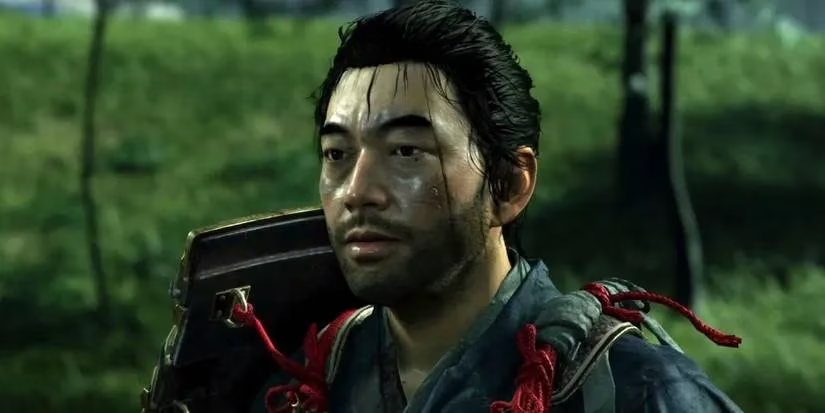
As controversially as it may sound, the game's protagonist Jin Sakai is an oddly listless, soulless empty vessel of a character who comes across as a completely blank slate. While it may be intentional in order to let other characters shine, boring is the last thing the main character of a video game wants to be described as. Yet most agree that Jin is a dull, flat, two-dimensional hero who makes the game's 20-50 hour investment a chore to get through, leaving his sidekick Yuna to do most of the work. The passive character certainly aligns with that of a ghostly spirit, a vapid entity who is literally lifeless, but Jin's lackluster personality completely wastes the fundamental importance of having a compelling lead character. In 2026, Jin remains a gorgeous avatar with the emotional range of a sheathed katana.
| Offender | Main Problem | 2026 Verdict |
|---|---|---|
| Shimura | Code before charisma | Mentor-shaped roadblock |
| Khotun Khan | Stock villain | Evil scowl, no aftertaste |
| Lady Masako | Revenge loop | Rage treadmill |
| Ishikawa | Circular dialogue | Sensei needs saving |
| Ryuzo | Betrayal without payoff | Firework that only smokes |
| Assassin | Diet samurai | Stealthy but fragile |
| Kaede | Anticlimactic duel | Swordfight with paperwork |
| NPCs | Generic | Background extras |
| Genghis Khan | Footnote | Historical cameo wasted |
| Jin Sakai | Blank slate | Beautiful vessel, no pulse |
The tragedy is that Ghost of Tsushima does not need to be this way. Its world is stunning, its combat is stylish, and its best characters prove the writers can create people worth caring about. But the weak links drag the whole experience toward the land of beautiful screenshots and forgettable conversations. In 2026, players still remember the wind, the duels, and the photo mode. They also remember the moments when a character opened their mouth and the plot politely left the room. Any future visit to Tsushima should bring a sharper script and a cast that feels alive. The wind is beautiful, but players need people. 🌬️🗡️