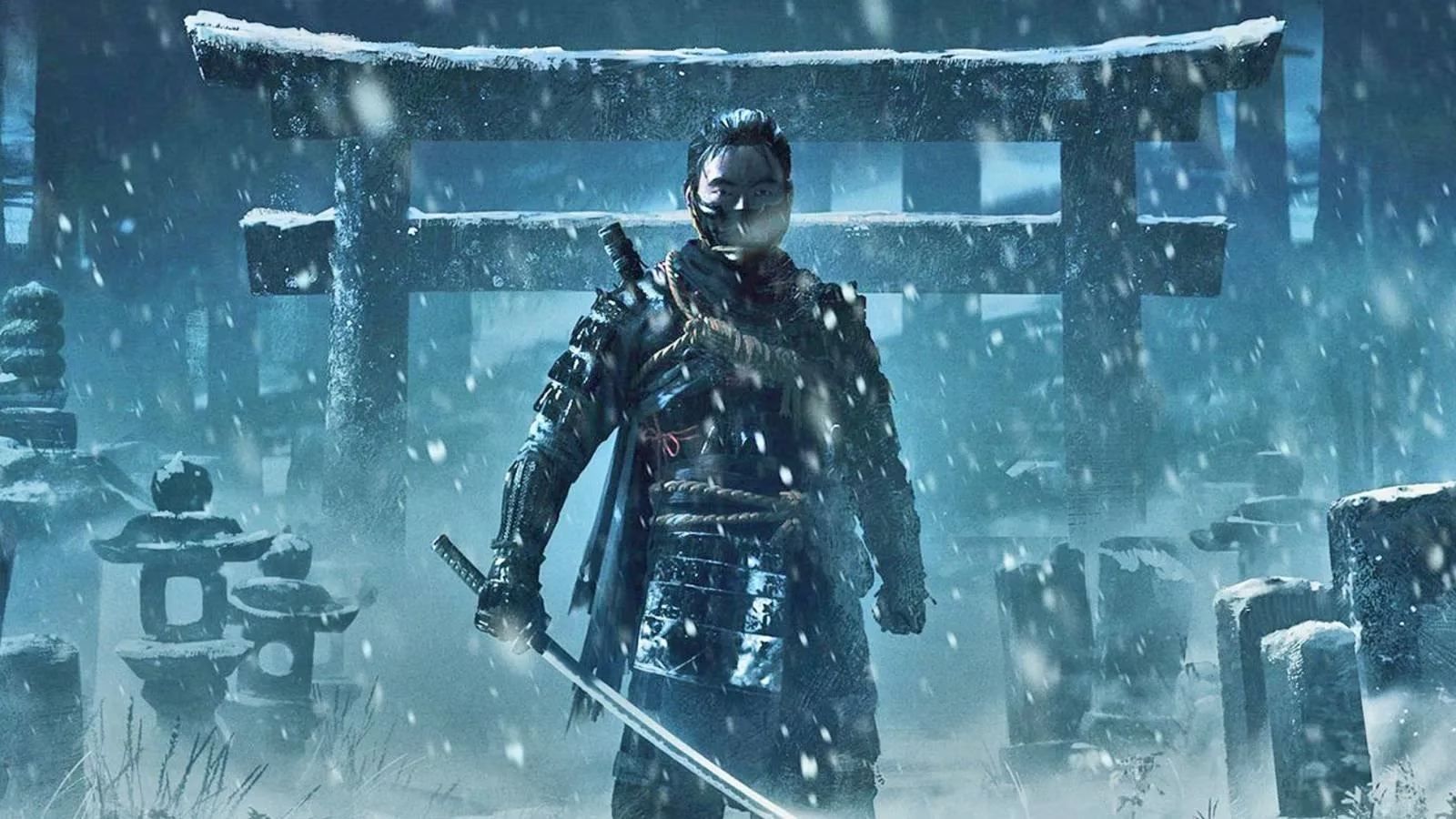
I still find it easy to forget that Tsushima is not a fantasy island invented for a samurai power fantasy. The scenery in Ghost of Tsushima is so polished that the place can feel like a dream of feudal Japan, but Tsushima is a real island with real residents, real ferry schedules, and a tourist economy that took a severe hit during the COVID-19 pandemic. When I first read about the Tsushima Local Promotion Association’s plan to use officially licensed Ghost of Tsushima merchandise to draw visitors, I thought it was one of the smartest examples of game tourism I had seen. The idea was simple: give fans a physical reason to step onto the island that inspired the game, then let the island do the rest.
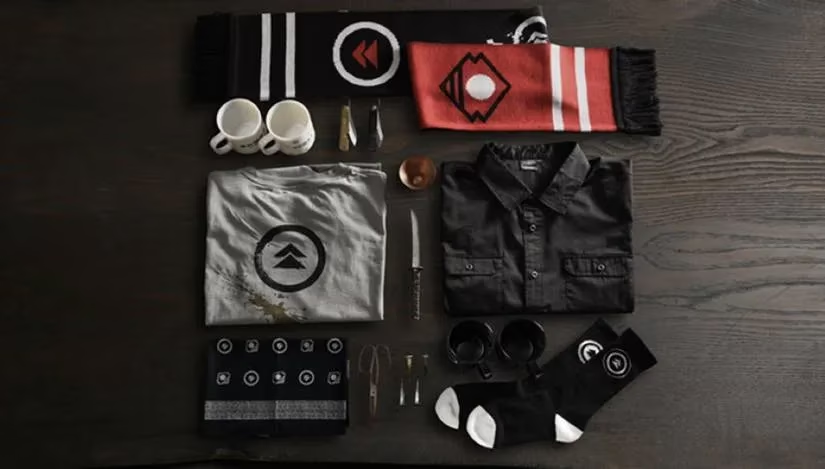
The campaign was announced for April 29, 2022. A special booth was set up inside the gift shop at Fureaidokoro Tsushima, the island’s sightseeing information center. That detail matters to me because it shows the merchandise was not treated as a distant online drop. It was placed exactly where a curious traveler would already be looking for maps, local advice, and souvenirs. The lineup included familiar items: t-shirts, hoodies, button-down shirts, socks, mugs, and patches. It also reached into accessories with scarves and bandanas, plus sticker skins for the PS4 console and DualShock 4 controller. Designs ranged from the official Ghost of Tsushima logo to the arrowhead Sakai family crest. The official merchandise was provided by Grapht Gaming Life, MSY’s gaming culture brand.
What I like most is that the association did not pretend the game alone would solve its tourism problem. It was candid. The situation, it said, was that tourists were not attracted to Tsushima. The hope was that fans of Ghost of Tsushima would take the opportunity to visit, dress themselves in the goods, and enjoy not only the game but the actual Tsushima that serves as its stage. That sentence is the heart of the whole project for me. A game can make a place famous, but fame is not the same as visitation. Merchandise is a hook; the island has to become the memory.
| Merchandise type | Examples | Why it works for a game-tourism campaign |
|---|---|---|
| Apparel | T-shirts, hoodies, button-down shirts, socks | Easy for fans to wear during the trip and after they return home |
| Accessories | Scarves, bandanas, patches | Subtle everyday reminders of the island and the game |
| Drinkware | Mugs | Practical souvenirs that keep the trip visible at home |
| Controller gear | PS4 and DualShock 4 sticker skins | Aimed directly at collectors and dedicated players |
| Emblems | Ghost logo, Sakai family crest arrowhead | Turns the game’s visual identity into a travel badge |
There were limits. At the time, Japan was still not allowing foreign tourists into the country because of COVID-19 restrictions. Pricing and foreign shipping were not announced, which made the effort look deliberately domestic-first. I understand why. A campaign like this cannot fix international travel policy, but it can give Japanese fans a reason to book a trip and give the island a story to tell while waiting for normal tourism to return. From my 2026 perspective, that domestic-first strategy looks less like a compromise and more like a sensible first step. Game-driven tourism works best when local businesses, transit, shops, and residents are ready for the attention.
I also think about the game’s afterlife. Sucker Punch had officially stopped active work on Ghost of Tsushima, with future support limited to bug fixes and priority issues. Yet the studio was still developing a film adaptation, and Takashi Doscher was confirmed to write the screenplay. The movie was still far from a release date. That combination is strange and useful: the game itself was no longer receiving big content updates, but its cultural reach was still expanding. A live-action film could bring a new wave of fans who have never touched a controller. If those fans later remember that Tsushima is a real place, the merchandise booth becomes part of a longer chain.
As a player, I do not want virtual tourism to replace real travel. I want the opposite. I want a game to make me curious enough to read about ferry routes, local food, quiet shrines, and the people who live with the island’s weather all year. The merchandise is not the destination. It is a conversation starter. A hoodie with the Ghost logo can make someone ask, “What is that?” and the answer can be a real island, not just a fictional setting. That is the lesson I take from this campaign in 2026: licensed products are strongest when they point outward, toward a place that exists, rather than inward, toward a closed loop of fan consumption.
Would I visit Tsushima just to buy a mug and a bandana? No. But I would visit for the chance to compare the game’s golden fields and misty coastlines with the real thing, and I would probably buy the mug anyway. That is the clever part. The association used a hit game as a doorway, not a substitute. For a real island recovering its tourist industry, that distinction is everything.