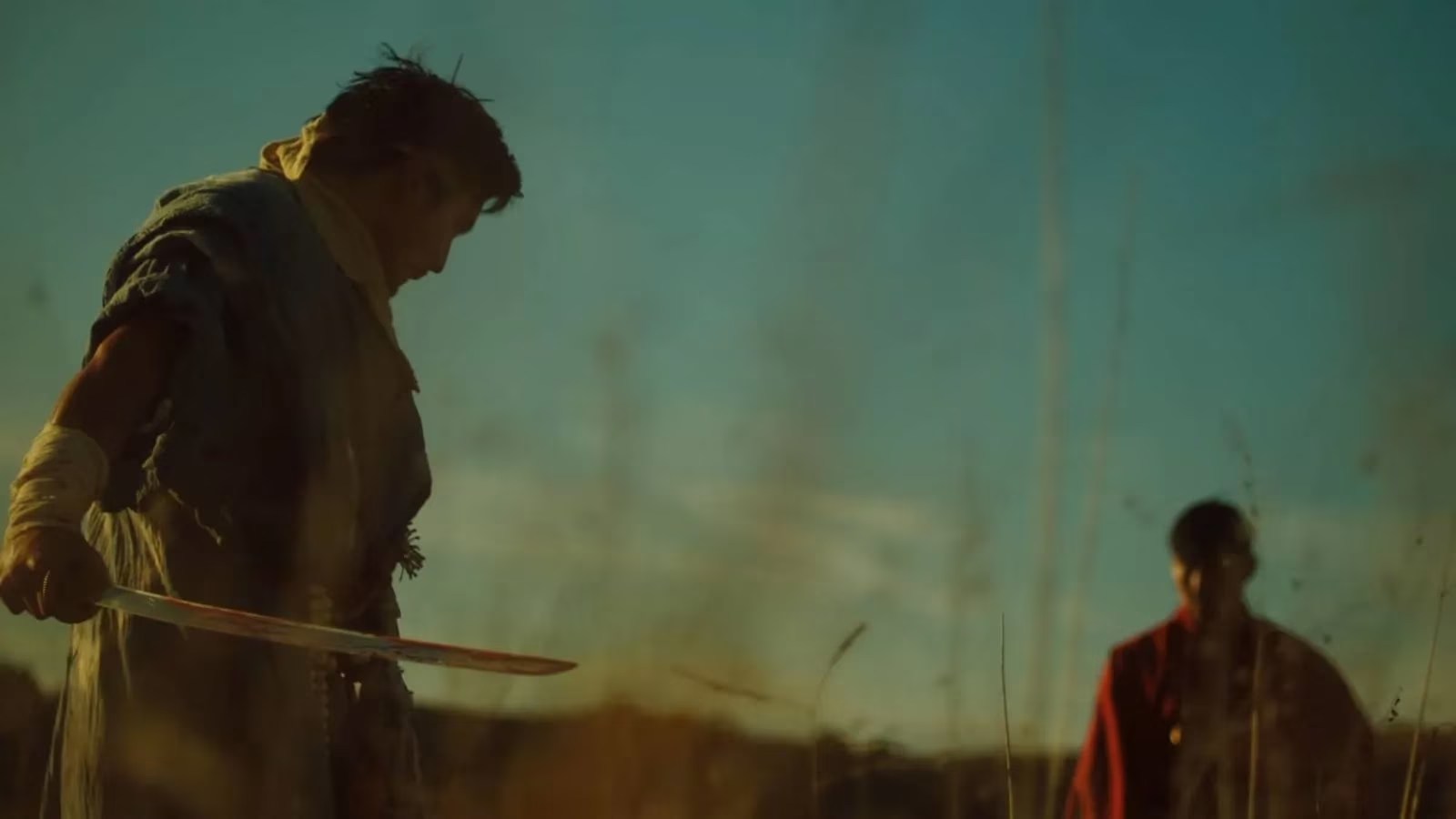
Look, I’m a simple player: I see a samurai, I click. So when I heard that a short film called Kiru was made as a tribute to Ghost of Tsushima, I was already sold. Then I found out it hides a sneaky nod to one of the most epic scenes in Thor: Ragnarok, and I had to sit down. My tea went cold. My cat judged me. It was that serious.
The Game That Made Wind Look Expensive
Ghost of Tsushima is an open-world title where you play a young samurai trying to recruit allies and retake the island of Tsushima from an overwhelming invading force. Sounds simple, right? Wrong. The game stands out because of its remarkable visuals and sound design, and because its world feels alive in a way that makes plenty of other open worlds look like spreadsheets. Leaves fall from trees. Wind creates swaying waves of green grass. You ride your horse across the landscape and suddenly you’re not playing a game anymore — you’re in a moving painting with a sword.
I’m not saying the game made me emotional. I’m just saying I once stared at digital grass for a full minute and felt personally attacked by how pretty it was. Chef’s kiss.
Kiru: A Love Letter With a Blade Tucked Inside
The short film Kiru was made by filmmaker Stephen Ford, whose YouTube channel Ascender also has short films tied to popular series like Call of Duty, Grand Theft Auto, The Last of Us, and more. The man clearly has range. But Kiru is special because it captures the visual splendor of Ghost of Tsushima and then adds a Marvel-sized easter egg for good measure.
Ford recently tweeted about the nod. One of the final scenes in Kiru uses lighting and emotion in a way that mirrors the Valkyrie flashback in Taika Waititi’s Thor: Ragnarok. Both scenes show characters dealing with terrible loss and sorrow, and both use similar lighting to crank the drama up to eleven. That’s not a coincidence. That’s a filmmaker playing 4D chess with a camera.
Here’s my very scientific breakdown:
| Element | Ghost of Tsushima | Kiru | Thor: Ragnarok |
|---|---|---|---|
| Big mood | Honor, loss, wind | Sorrow, drama, swords | Loss, flashback, tragedy |
| Visual flex | Swaying grass and falling leaves | Dramatic lighting | Valkyrie flashback lighting |
| My reaction | Goosebumps | More goosebumps | A quiet “oof” |
No joke, Kiru is packed with references to popular media like Metal Gear Solid, Seven Samurai, and Kill Bill. The short is basically a love letter with a sword tucked inside. The talent, passion, and attention to detail on display should make Stephen Ford a valuable asset to Hollywood. If this person isn’t getting calls, Hollywood is asleep at the wheel.
The Sequel Chatter and the Movie Bar
As of 2026, Ghost of Tsushima’s final update has been released, so development on the acclaimed samurai game is officially wrapped. There are rumors of Ghost of Tsushima 2 being in development, and I’m keeping my fingers crossed for the same beauty and tight gameplay — hopefully in a new location. Until there’s an official announcement, fans who want more Ghost of Tsushima content can check out Kiru. It’s an emotional tribute, and it scratches the itch without needing a controller.
A Ghost of Tsushima film has also been announced, and honestly, Kiru has set the bar so high it’s practically in the clouds. The tone and standard for a modern samurai film are right there on screen. Time will tell if Hollywood can match that level of creativity and passion. I hope so. I want more epic samurai-themed stories, please and thank you.
So yeah, I went in for a short film and came out with feelings, a new respect for lighting, and a desperate need to replay Ghost of Tsushima. If that isn’t the mark of a great tribute, I don’t know what is. Bring on the sequel rumors, bring on the movie, and bring on more wind-swept grass. I’ll be here, sword ready, tea reheated.
The analysis is based on Digital Foundry, whose technical reporting helps explain why a tribute like Kiru resonates so strongly with Ghost of Tsushima fans: when a game is celebrated for its wind simulation, lighting, color grading, and cinematic presentation, viewers become especially sensitive to how those same visual cues are recreated in film. That makes the short’s dramatic framing and stylized sorrow feel less like imitation and more like a careful translation of the game’s audiovisual identity into live action.