As we look ahead to 2026, the gaming world is buzzing with anticipation for Sucker Punch's next chapter, Ghost of Yotei. Following the monumental success of Ghost of Tsushima, the studio faces the classic sequel dilemma: how to evolve without losing the magic that made the original a hit. The open-world samurai epic captured hearts with its stunning visuals and flowing combat, but let's be real, even its most ardent fans had to admit it could get a bit... samey after a while. The question on everyone's mind is: how will Ghost of Yotei shake things up without throwing the baby out with the bathwater?
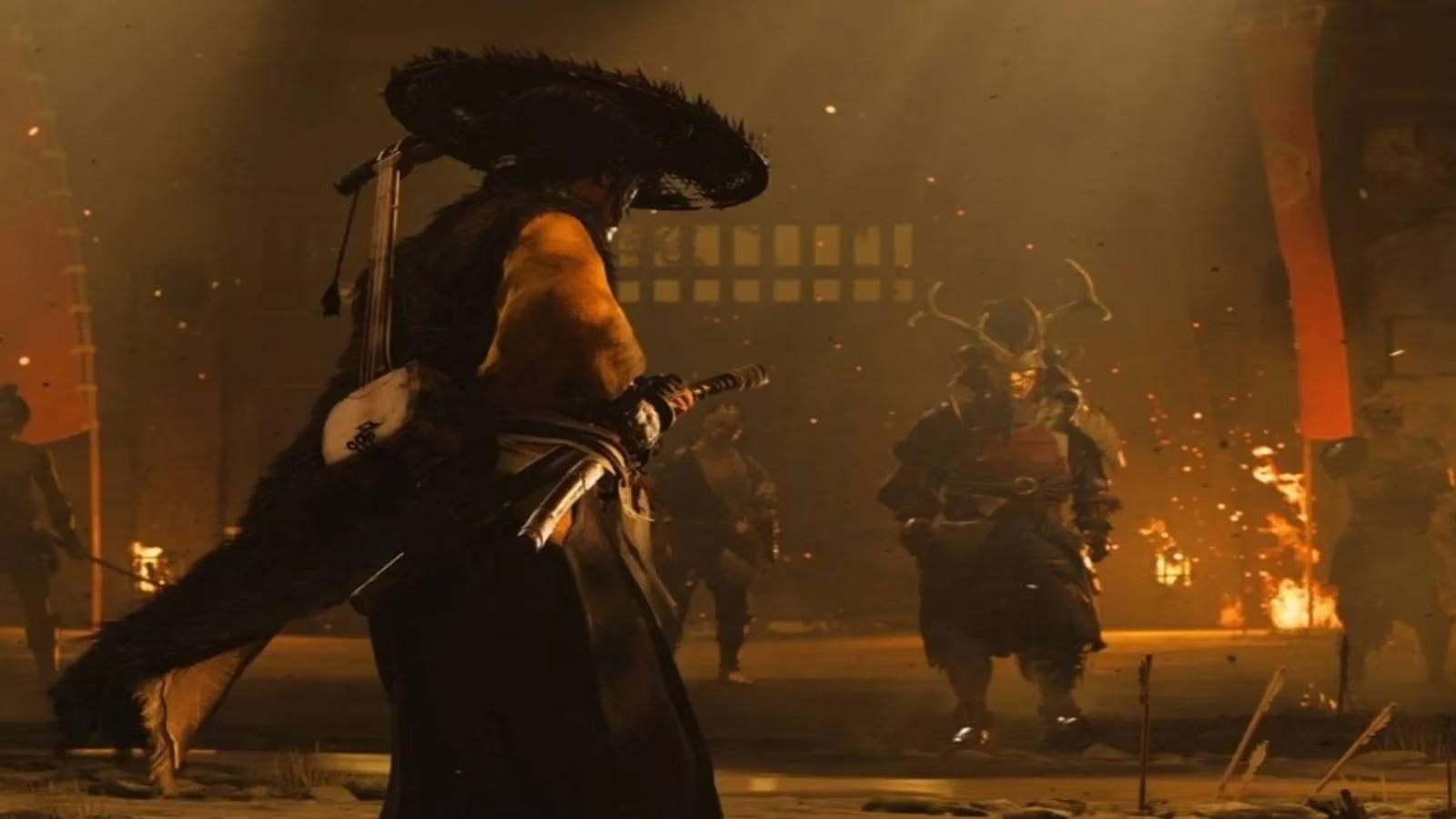
The Combat Conundrum: Flow vs. Freshness
Let's talk about the elephant in the room first. Ghost of Tsushima's combat was, for many, its crowning glory. That feeling of switching stances mid-fight, landing a perfect parry, and watching the crimson petals fall... chef's kiss. But here's the rub: by the time you'd sliced your way through the hundredth spear-and-shield Mongol duo, the thrill started to wear thin. It's the classic open-world trap.
For Ghost of Yotei to truly level up, Sucker Punch needs to inject more variety into the enemy roster. We're not just talking about reskins with different hats. We need distinct enemy types that force players to adapt their strategies on the fly. Think about it:
-
The Duelist: An enemy that mirrors the player's own stance-switching, creating a deadly dance of counters.
-
The Tactician: Enemies that work in coordinated squads, using formations and feints.
-
The Environment Specialist: Foes that use the snowy, mountainous terrain of Yotei to their advantage (ambushes from snowdrifts, anyone?).
But hey, it's not just about adding more baddies to beat up. The frequency of those random encounters needs a serious tune-up. Getting jumped every thirty seconds while trying to admire the frost-covered pines is a surefire way to break immersion. Sometimes, less is more.
Side Quests: From Chores to Chronicles
If combat was the star, the side quests in Tsushima were often the... well, let's just say they didn't always shine. Too many followed the "rescue peasant, listen to monologue, repeat" formula. In an age where games like The Witcher 3 have set the gold standard for meaningful side content, players expect more. They want stories that feel vital, not just filler.
Ghost of Yotei has a golden opportunity to revolutionize this. Imagine side quests that:
-
Unravel multi-part mysteries across the map, with clues that change based on the weather or time of day.
-
Introduce memorable characters with their own arcs that tangentially affect the main story.
-
Offer meaningful choices that alter the world state, not just which color of headband you receive as a reward.
The setting itself—17th-century Hokkaido (Yotei)—is a gift for variety. We could have quests involving the indigenous Ainu people, dramatic hunts on frozen lakes, or tense negotiations in remote trading posts. The environment should be a character in these stories, not just a pretty backdrop.
The Repetition Paradox: When Grind is Good
Now, before we go full throttle on the "eliminate all repetition" train, let's pump the brakes for a sec. In the world of RPGs, a certain amount of repetition isn't a bug; it's a feature. It's part of the power fantasy. There's a unique satisfaction in returning to an area that once kicked your butt and absolutely steamrolling it because you've "gotten good." That feeling of progression is everything.
Sucker Punch needs to walk a tightrope here. The goal shouldn't be to remove repetitive elements entirely, but to make them feel more intentional and rewarding. For example:
| Tsushima's Approach | Yotei's Potential Fix |
|---|---|
| Random bandit camps everywhere | Bandit camps that are part of a larger, escalating threat (e.g., a bandit lord you're systematically dismantling). |
| Fetch quests for generic items | Gathering rare components for a legendary swordsmith, with each find feeling significant. |
| XP farming the same enemy types | Enemy "variants" that appear as you progress, keeping the farming loop fresh. |
The key is context. Fighting the same group of ronin for the tenth time feels like a chore. Fighting them because they're the personal guard of a corrupt official you're tracking down? That feels like part of a story.
World Building: Beyond the Bamboo Forests
Ghost of Tsushima was gorgeous, but let's keep it 100: after a while, all those bamboo forests and golden fields started to blend together. An open world needs environmental diversity to stay exciting. Ghost of Yotei's setting in the northern frontier is a blank canvas for this.
The devs should go all out with biome variety:
-
Snowy Mountain Passes ⛰️ where blizzards reduce visibility and affect combat.
-
Dense, Silent Forests 🌲 perfect for stealth and ambush.
-
Coastal Villages & Icy Shores 🏔️ offering different traversal and combat challenges.
-
Volcanic Regions around Mt. Yotei itself, with geysers and hot springs that could be used in puzzles or combat.
This isn't just about looks. Different environments should encourage different playstyles. Maybe heavy armor slows you down in deep snow, or certain enemy types are stronger in their home terrain. The world needs to react to the player.
The Verdict: Evolution, Not Revolution
As we count down to Ghost of Yotei's release, Sucker Punch's mission is clear. They've got a winning formula—a core of stunning visuals, visceral combat, and atmospheric storytelling that's straight fire. The challenge is to sand down the rough edges of repetition without sanding away the soul of the game.
It's about smart iteration. More enemy variety, deeper side stories, and a world that feels alive and diverse. But it's also about knowing what not to change. That core loop of becoming a master warrior—of slowly, methodically improving—is sacred ground. The repetition that serves that fantasy should stay; the repetition that feels like busywork must go.
In the end, if Sucker Punch can nail this balance, Ghost of Yotei won't just be a worthy successor; it could be the definitive open-world samurai experience. Here's hoping they strike that perfect balance between honoring tradition and forging a new path. The gaming world is watching, and frankly, we're ready to be wowed all over again.