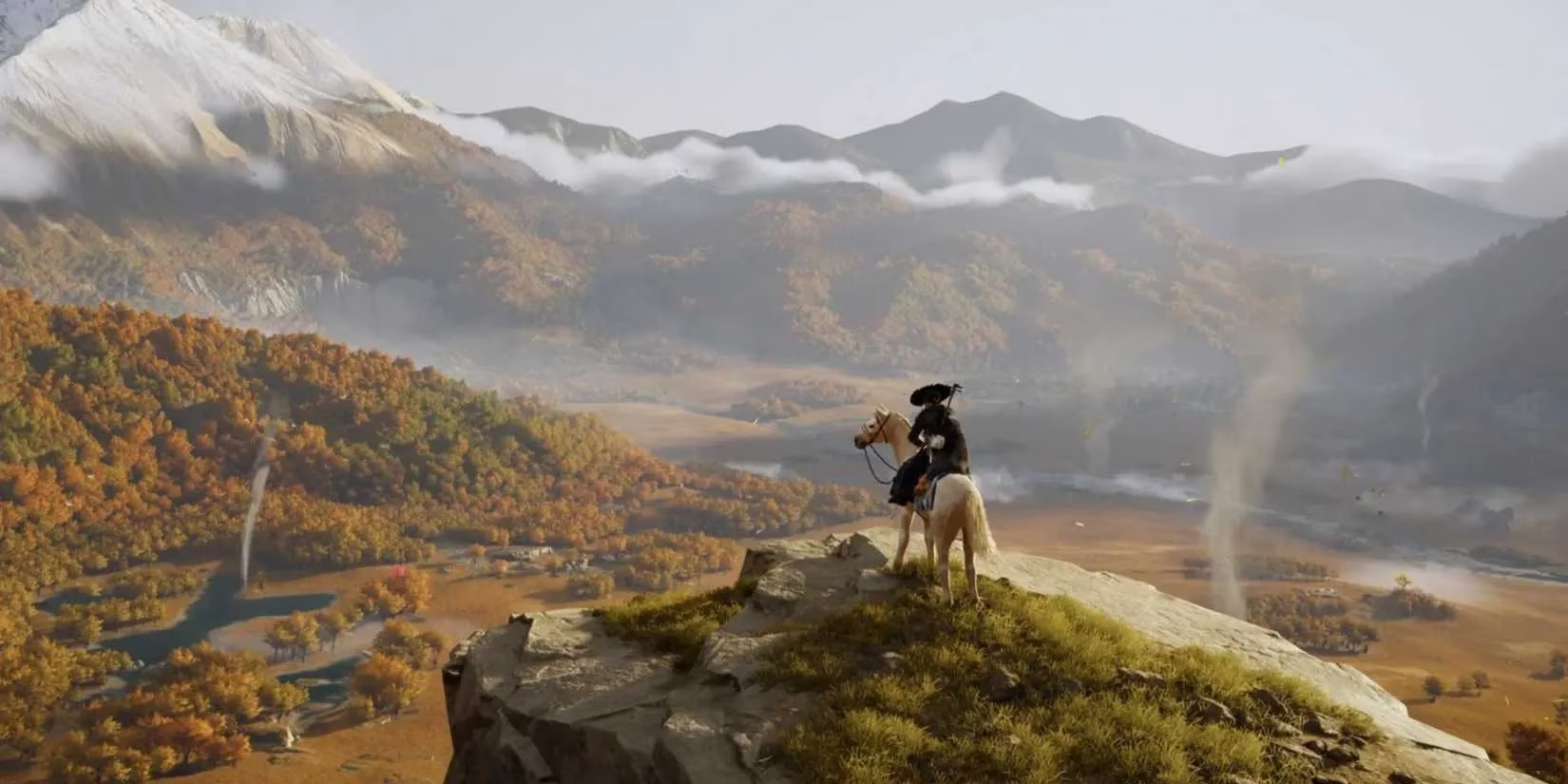
After digesting the recent State of Play dedicated solely to Ghost of Yotei, the feeling is one of polished déjà vu. The upcoming sequel looks absolutely stunning, a visual feast for the senses, but for many, it feels like a meticulously crafted echo of its predecessor, Ghost of Tsushima. It's the gaming equivalent of a perfectly executed cover song—you appreciate the skill, but you're not hearing a new melody. The game is gorgeous, no doubt about it, but the core loop of exploring a beautiful open world, guided by stylistic wind, mastering parries and counterstrikes, and engaging in a cinematic story feels... well, let's just say we've been here before. It's a safe bet, a sequel that knows its audience and delivers exactly what's expected. And hey, that's not necessarily a bad thing—it just leaves some wondering about the roads not taken.
The 'Sequel Stagnation' Phenomenon
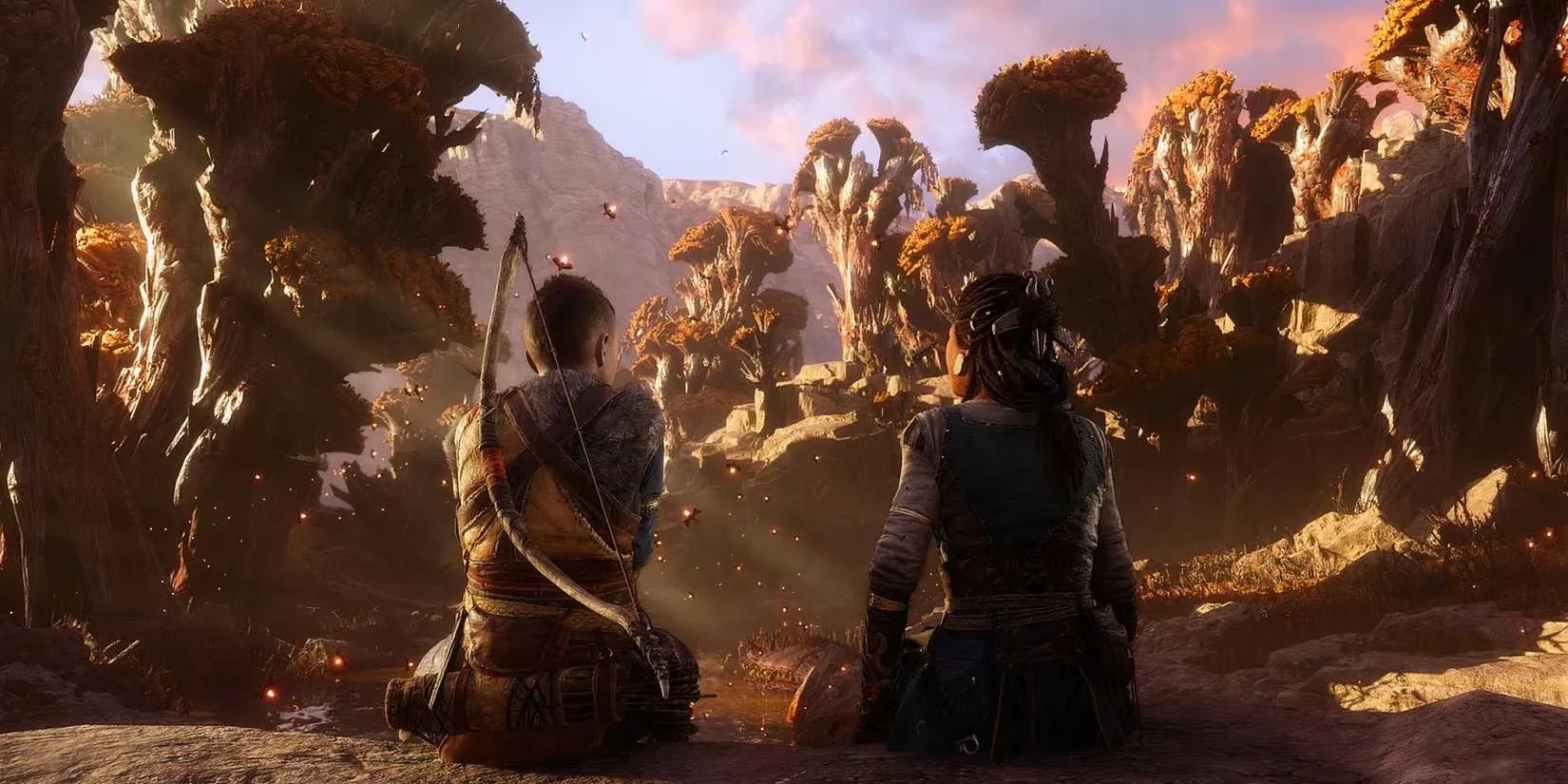
This feeling isn't unique to Ghost of Yotei. In recent years, we've seen a pattern with blockbuster follow-ups. Games like God of War: Ragnarok, Marvel's Spider-Man 2, and The Legend of Zelda: Tears of the Kingdom were all fantastic titles in their own right, critically lauded and commercially successful. Yet, for many players, they lived in the long shadow of their revolutionary predecessors. They were more of a brilliant, refined 'same' rather than a groundbreaking 'next.' Tears of the Kingdom made bold strides with mechanics like Ultrahand, but even its most ardent fans often concede it didn't quite recapture the raw, world-altering wonder of Breath of the Wild. It's a tough act to follow, and Ghost of Yotei seems poised to walk that same familiar path. You'll play it, you'll probably love it, but will it stick with you years later? That's the million-dollar question.
The Ghost in Sucker Punch's Machine
Here's where the conversation gets spicy. The sense of familiarity with Ghost of Yotei is especially poignant when you glance back at Sucker Punch's own history. This is the studio that gifted us two iconic, genre-defining series:
-
Sly Cooper: The charming, cel-shaded world of a master thief raccoon and his gang. The last mainline title developed by Sucker Punch was nearly 20 years ago.
-
inFAMOUS: The gritty, super-powered saga of moral choice, starting on the PS3 and culminating with the flashy Second Son on PS4. It's been over 11 years since that release.
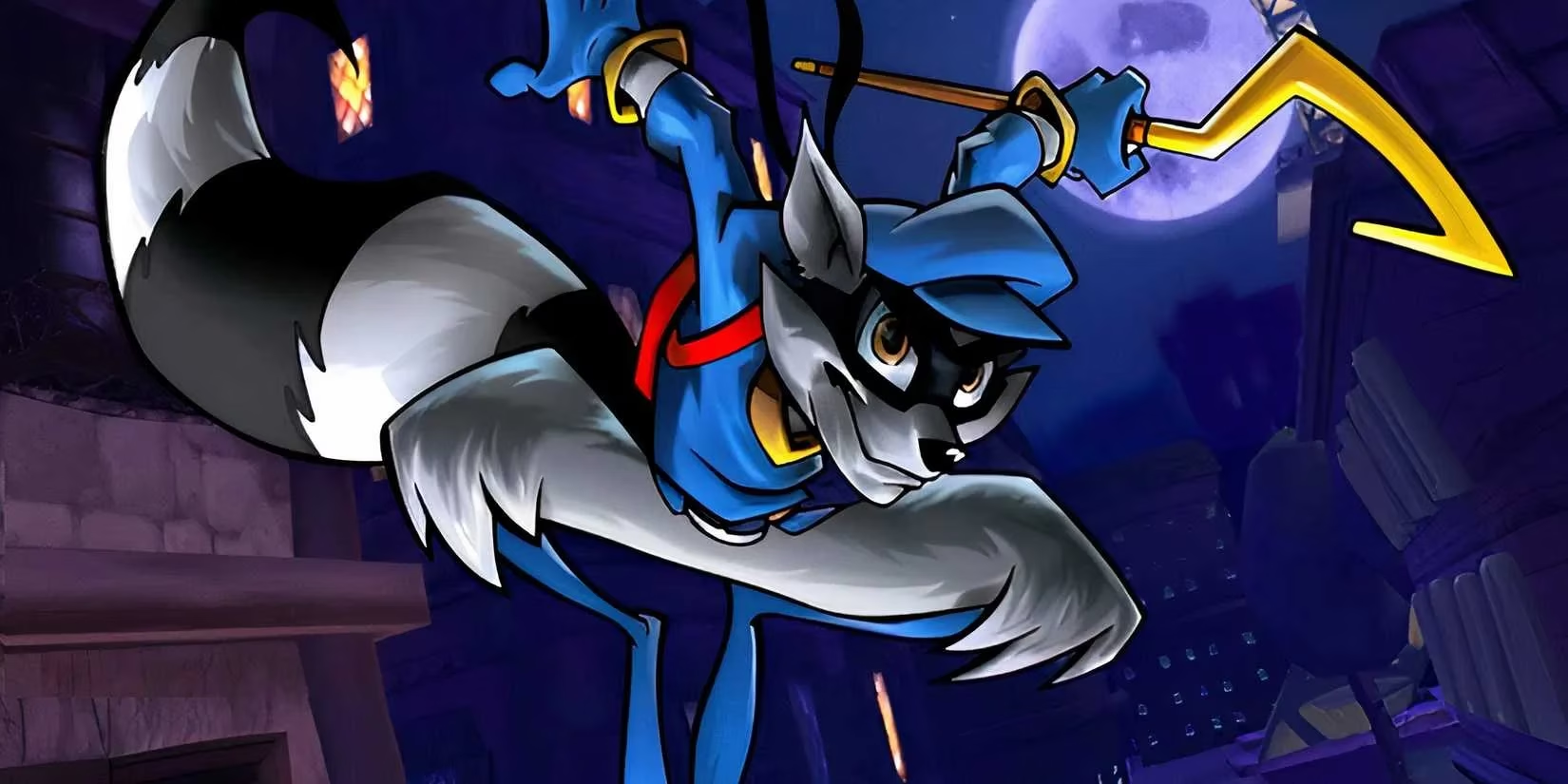
It's a bit of a head-scratcher, honestly. Both franchises have dedicated, vocal fanbases that have been waiting for a sign, any sign, of life. With the Ghost series proving so successful, it feels like these classic IPs have been left on the shelf, gathering dust. And that's a shame because the gaming landscape in 2025 might be more receptive to them than ever.
A Case for the Classics: Why Now is the Time
This isn't just nostalgia talking. The success of games like Astro Bot has shown there's a massive, hungry audience for polished, character-driven platformers and adventures that don't necessarily rely on ultra-realistic violence or massive open worlds. A new Sly Cooper game, built with modern tech but retaining its signature style and humor, could be a breath of fresh air. Imagine the heists, the stealth, the playful character interactions with today's graphical fidelity and smoother gameplay. It could be a smash hit.
And inFAMOUS? Goodness, the potential is through the roof. The PS5's hardware is begging for a game that explores superhuman abilities with insane visual flair. Think about it:
| Potential for a New inFAMOUS | Why It Would Work |
|---|---|
| Next-Gen Powers | Unleashing neon, video, or concrete powers with near-instant load times and incredible particle effects. |
| Modern Morality | A deeper, more nuanced karma system reflecting today's complex world, with choices that truly reshape the city and story. |
| New Hero/Villain | A fresh protagonist or even an antagonist-centric story, exploring the gray areas of power and responsibility. |
The blueprint is there. Sucker Punch already mastered the feeling of being an overpowered being in a living city. With a new story and modern tech, they could blow the doors off.
The Bigger Picture: Beyond the One-Trick Pony
Look, nobody is saying Ghost of Yotei will be a bad game. Far from it. It's going to be a polished, enjoyable experience that will sell millions. But the discussion it has sparked is about more than just one sequel. It's about the creative direction of beloved studios. The hope isn't for Sucker Punch to abandon Ghost, but to remember it has other fantastic tools in its creative toolbox.
This sentiment extends beyond just one developer. Fans of Ratchet & Clank wonder what else Insomniac has up its sleeve. Followers of God of War ponder where Santa Monica Studio might go next. The industry thrives on innovation and variety. Sticking to a single, successful formula is a safe business move, but it can leave artistic potential untapped.
In the end, Ghost of Yotei represents a crossroads. It's the safe, beautiful, and familiar path. The hope, as we look to the future beyond 2025, is that Sucker Punch—and studios like it—will occasionally glance down the road less traveled. The one that leads back to a sneaky raccoon's hideout or to the neon-drenched rooftops of a city waiting for a new conduit. Because sometimes, the most exciting future is a clever reinvention of a brilliant past. After all, who wouldn't want to see what a modern-day master thief or a next-gen super-powered anti-hero could really do? The ball, as they say, is in their court.