As a longtime action-game obsessive, I have spent the past decade learning to read enemy windups the way other people read weather reports. In 2026, that habit feels less like a niche skill and more like a basic literacy requirement for the medium. Parrying, once a technical flourish tucked inside fighting games and sword-combat curiosities, has become one of the defining verbs of mainstream action design. I see it everywhere now: in samurai epics, sci-fi Jedi adventures, Metroidvania boss arenas, and even 2D bullet-hell platformers. What began as a high-risk option for devoted players has turned into a core language that studios use to make combat feel active, legible, and dramatic.
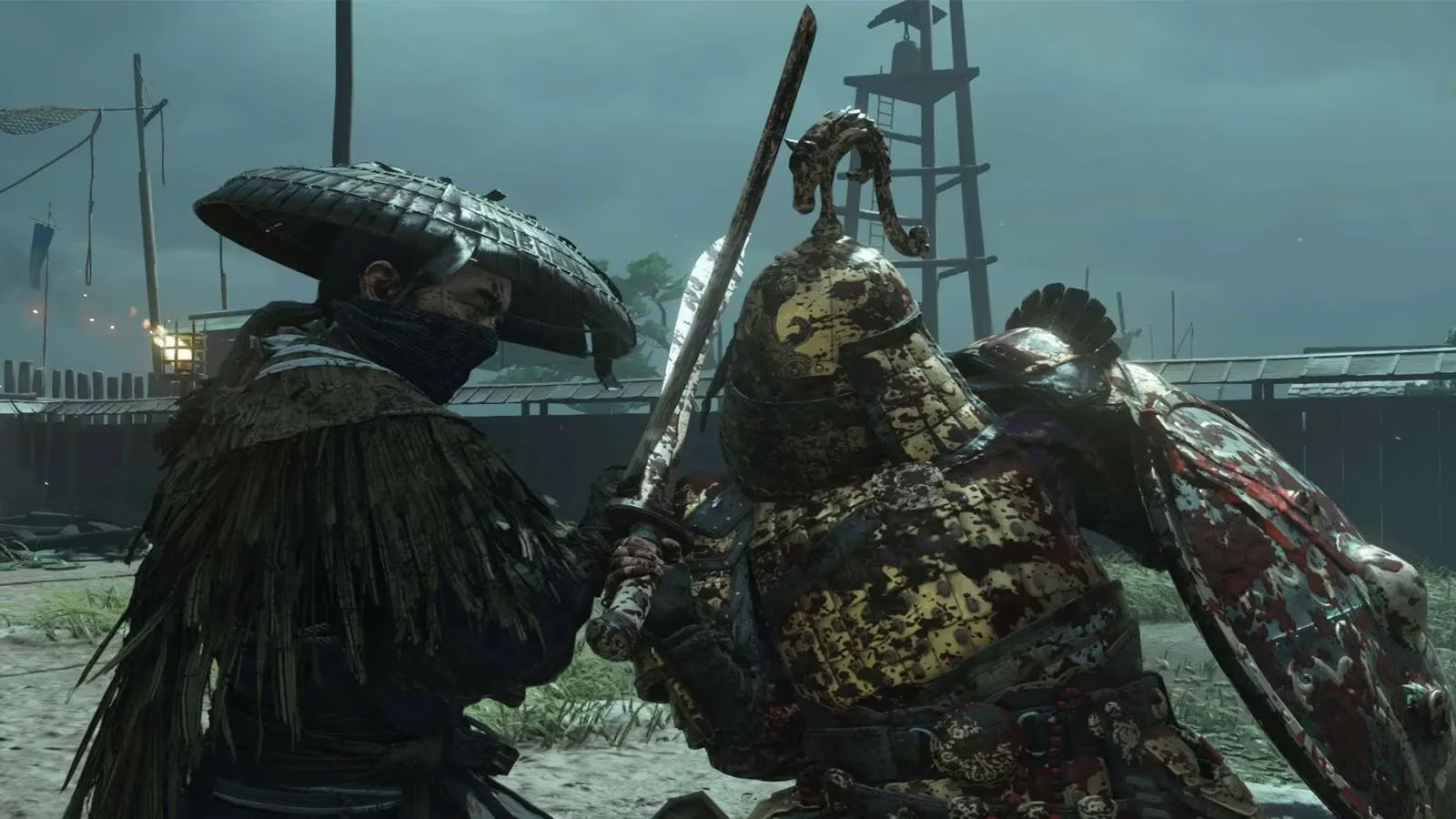
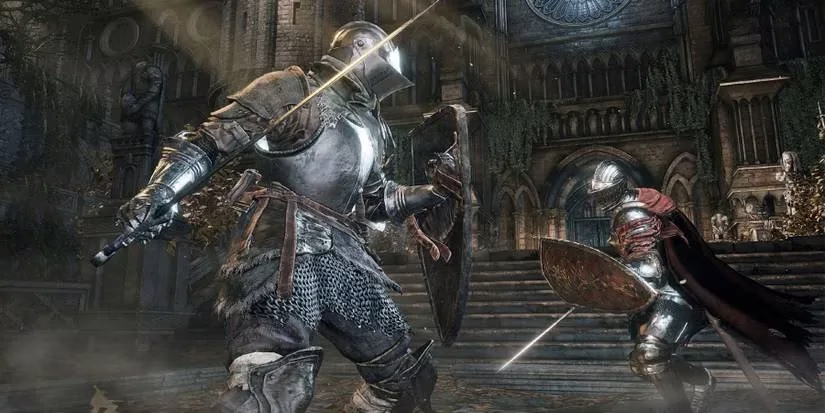
The mechanic's roots are older than most modern players realize. Fighting games such as Street Fighter and Tekken gave parrying an early home, where a perfectly timed deflection could flip momentum in an instant. For years, that idea stayed mostly inside the versus-fighting bubble. Then games like EverQuest, Devil May Cry, and World of Warcraft began using parries to add technical depth to sword combat. Dark Souls, however, is the title I keep coming back to when I trace the modern boom. FromSoftware turned the parry into a spectator sport: a split-second decision that could make a boss fight look effortless or end in humiliation. Watching a skilled player chain parries in Dark Souls was not just impressive; it was instructive. It showed me that defense could be aggressive, and that a shield raised at the right moment could be more thrilling than any combo.
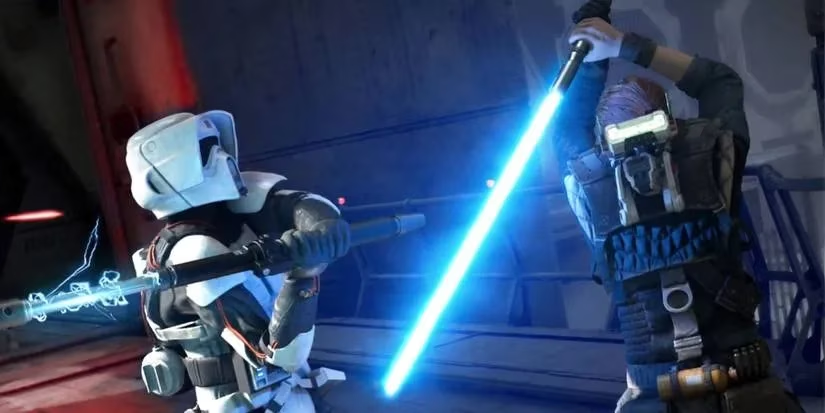
By 2026, that lesson has spread far beyond the Souls-like niche. Assassin's Creed, Star Wars Jedi: Fallen Order, and even Final Fantasy XV have all offered their own takes on the parry, usually softening the timing window while preserving the fantasy of a perfectly read attack. Sekiro: Shadows Die Twice pushed the idea to its logical extreme by building an entire sword-fighting game around posture and deflection. Ghost of Tsushima made the parry feel cinematic without losing its bite. The Legend of Zelda: Breath of the Wild and Cuphead each bent the mechanic in different directions, proving that parrying is not one design template but a family of ideas.
Here is how I break down the parry's current reach across the games I have played and replayed:
| Game | Parry flavor | Why it works |
|---|---|---|
| Dark Souls | Risk-heavy deflection with a punishing miss | Turns defense into a high-stakes read |
| Sekiro | Posture-based rhythmic deflection | Makes sword combat feel like a conversation |
| Ghost of Tsushima | Cinematic perfect parry | Rewards timing with dramatic counters |
| Star Wars Jedi: Fallen Order | Accessible deflection with clear feedback | Keeps lightsaber combat readable |
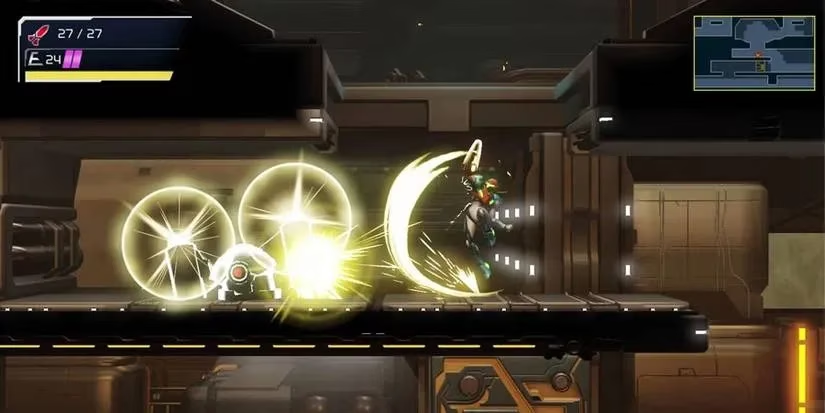
| Metroid Dread | Melee counter against telegraphed lunges | Adds tension to 2D boss encounters |
| Cuphead | Parry projectiles and use them as platforms | Rethinks parrying as movement and utility |
What makes parrying so durable is that it solves a design problem many action games face: blocking is passive, but parrying is active. A standard block asks the player to wait, absorb pressure, and reset. A parry asks the player to make a prediction and commit to it. When the timing lands, the fight accelerates. When it fails, the player learns something. That loop is simple, but it scales from casual adventure games to the most demanding boss fights. I have seen friends who never touch Souls-likes still grin after landing a perfect parry in Ghost of Tsushima. The mechanic does not require brutality to be satisfying; it requires clarity.
The past few years have also shown that parrying can be tuned for different audiences without losing its identity. Games like Ghost of Tsushima and the recent Assassin's Creed entries use "perfect parry" windows to reward precision with one-hit kills or powerful counters, but they do not punish players who need more practice. That flexibility is why I expect parrying to remain a staple even as genres shift. It has already crossed into non-sword combat through Metroid: Samus Returns and Metroid Dread, where a well-timed melee counter can turn a frightening encounter into a brief opening. It remains alive in fighting games, where it first matured, and it keeps showing up in unexpected places like Cuphead, where parrying projectiles doubles as a platforming tool.
Will parrying last forever? Probably not in its current form. Game design moves in waves, and every dominant mechanic eventually gets remixed, streamlined, or replaced. But looking at 2026, I do not see the parry fading quietly. It is too useful, too readable, and too good at turning a defensive moment into a story worth retelling. The best parries feel like small acts of authorship: I saw the attack coming, I chose my moment, and I changed the fight. That feeling is hard to retire. 😄
If anything, I expect the next wave to push parrying further into hybrid territory: counters that double as traversal, deflections that feed resource systems, and timing windows that adapt to player skill. The mechanic has already traveled from arcade fighting games to Souls-likes to samurai epics to sci-fi Jedi fantasies to 2D platformers. In 2026, it remains one of the clearest examples of how a single well-tuned input can make an entire combat system sing.