The Xbox Games Showcase 2025 may feel like yesterday, but the ripples from the reveal of The Blood of Dawnwalker are still shaping the action RPG landscape heading into 2026. Developed by Rebel Wolves—a studio packed with veterans from CD Projekt Red—and published by Bandai Namco, this dark fantasy title has fans buzzing. Set in a grim, monster-infested version of 14th-century Europe, players step into the shoes of Coen, a Dawnwalker cursed with vampiric powers, racing against a 30-day clock to save his homeland from a vampire horde. From the moment the trailer dropped, the internet couldn't stop drawing parallels to two giants: The Witcher and Ghost of Tsushima. And honestly, can you blame them?
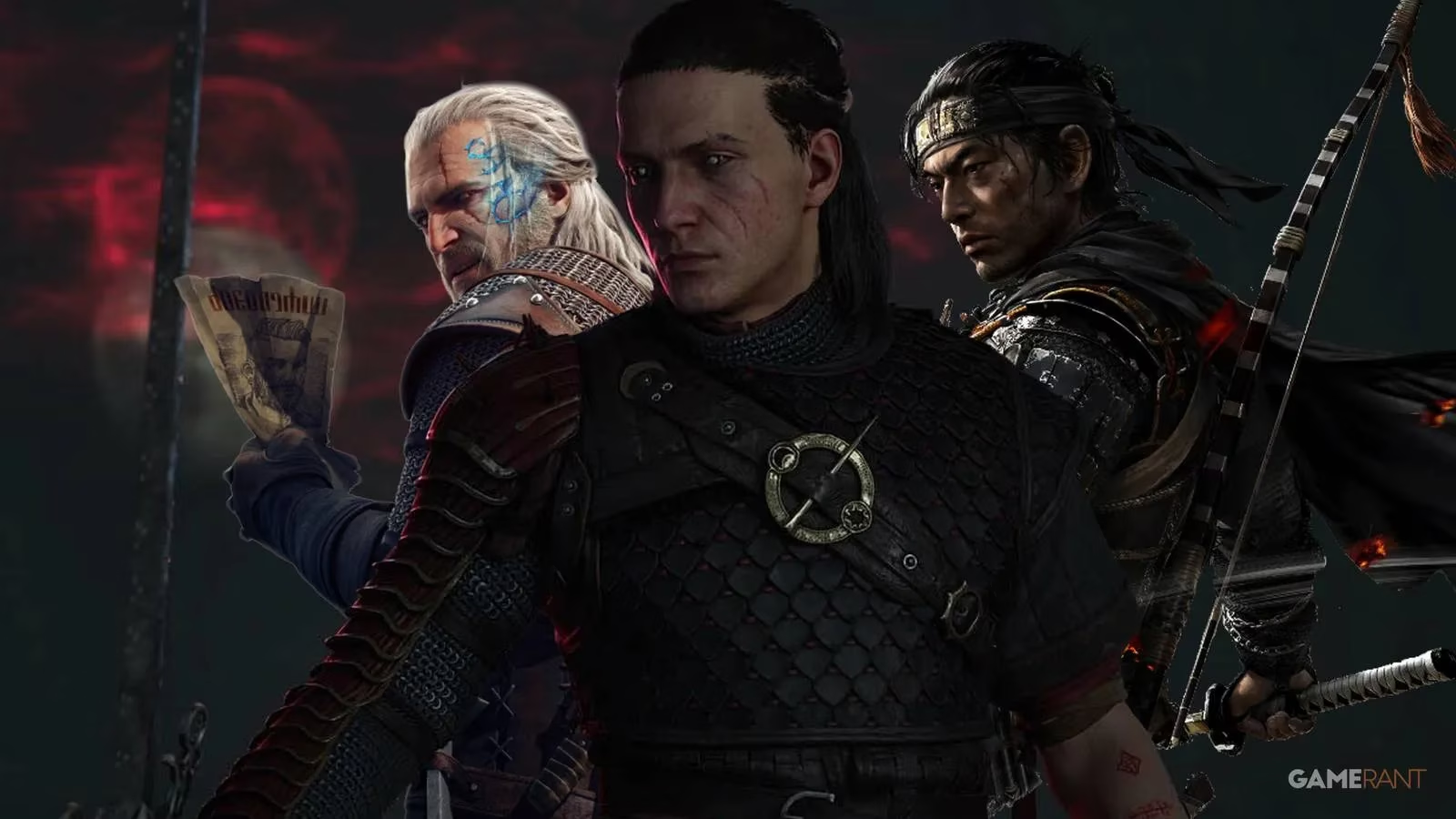
🧛♂️ The Witcher's Dark Fantasy Cousin?
Let's get the obvious out of the way first. The Witcher vibes are strong with this one, and it’s not just a coincidence. Rebel Wolves' pedigree means they know a thing or two about crafting a compelling, monster-hunting narrative in a medieval open world.
-
Setting & Atmosphere: Both games plunge you into a world where villages are perpetually on the brink, shrouded in superstition and fear. It’s that classic, muddy, morally grey fantasy where every corner holds a new horror.
-
The Troubled Protagonist: Coen, much like Geralt of Rivia, is a superhuman figure grappling with his own monstrous nature. The core conflict is the same: using cursed powers to protect the very humanity you’re distanced from. It’s the ultimate ‘monster fighting monsters’ trope, done right.
-
Combat Style: Swordplay mixed with supernatural abilities? Check. While Geralt had his signs (Igni for burning foes, Aard for pushing them back), Coen brings his own vampiric flair to the fight. Teleportation and blood-drinking are his signature moves, promising a combat flow that’s both familiar and fresh.
It feels like the spiritual successor many Witcher fans have been waiting for, but with a darker, more urgent twist.
⚔️ Echoes of the Ghost: The Tsushima Connection
Now, the comparisons to Ghost of Tsushima are a bit more nuanced, but no less fascinating. The connections run deeper than just surface-level aesthetics.
-
The Underdog Narrative: This is the big one. Both Coen and Jin Sakai are warriors defending their homes against an overwhelming, oppressive force. For Jin, it was the Mongol invasion; for Coen, it’s the vampire legion led by the menacing Brencis. They’re both fighting a desperate, uphill battle.
-
A Potential Tragic Arc: Here’s where it gets really interesting. Ghost of Tsushima ended with Jin becoming an outlaw in the eyes of the very government he saved. The previews for Dawnwalker heavily hint that Coen might suffer a similar fate. Even if he succeeds in his 30-day quest, the people of Vale Sangora may never accept a Dawnwalker as their savior. He could be destined to die as an outsider—forgotten and scorned. Talk about a heavy ending!
-
The Antagonist Link: A cool, subtle detail? One of Coen’s main foes, the vampire Bakir, is hinted to have origins in the Mongolian Empire. It’s a neat little narrative thread that directly ties the game’s fantasy threat to the historical inspiration of Tsushima's villains.
🤔 What Makes Dawnwalker Its Own Beast?
While the inspirations are clear, The Blood of Dawnwalker isn’t just a copy-paste job. It’s carving its own path with some unique hooks.
| Feature | The Witcher 3 | Ghost of Tsushima | The Blood of Dawnwalker |
|---|---|---|---|
| Protagonist's Curse | Mutated Witcher | Honorable Samurai | Vampiric Dawnwalker |
| Primary Antagonist | The Wild Hunt | Mongol Empire | Vampire Horde |
| Core Time Pressure | Narrative-driven | None | 30-day in-game clock |
| Magic System | Signs (Spells) | Mythical Techniques | Innate Vampiric Powers |
The 30-Day Clock: This is the game’s biggest differentiator. Coen isn’t just fighting vampires; he’s fighting time itself. The vampiric curse and silver poisoning are slowly killing him. Every quest, every battle, happens under the shadow of this relentless deadline. It adds a layer of strategic tension that neither of its inspirations had.
A Personal, Familial Stakes: The conflict is intensely personal. Coen’s younger sister, Lunka, has also been afflicted with vampirism by the villain Brencis. It’s not just about saving a kingdom; it’s a race to save his own family from a fate worse than death.
🔮 Looking Ahead to 2026 and Beyond
So, what does all this mean for the game’s future? If the Ghost of Tsushima parallel holds true, we might be looking at a similar franchise trajectory.
-
A Contained, Tragic Story: Coen’s story, like Jin Sakai’s, feels designed to be a single, powerful arc. His likely death at the end of his journey makes a direct sequel with the same protagonist tricky.
-
The Rebel Wolves Legacy: Much like Sucker Punch moved from Jin Sakai to the new protagonist Atsu in Ghost of Yotei, a successful Dawnwalker could allow Rebel Wolves to explore this dark fantasy world through new eyes in a sequel. The lore of the Dawnwalkers and the vampire threat has plenty of room to grow.
In the end, The Blood of Dawnwalker is shaping up to be a fascinating hybrid. It’s taking the rich, monster-filled world-building of The Witcher and marrying it to the poignant, tragic hero’s journey of Ghost of Tsushima, all while adding its own unique, time-sensitive gameplay hook. For action RPG fans in 2026, that’s a recipe that’s hard to ignore. The only question left is: will Coen’s sacrifice be remembered, or will he too become a ghost of his own homeland?